
July 7, 2026
Why Your Recipes Should Know What's in Your Pantry
Most recipe collections and most pantries live in separate worlds. The recipe box doesn't know what's on the shelf, and the pantry has no idea what it's being stocked for.
That gap is where "I thought we had everything" comes from, and it's fixable.
What changes when they connect

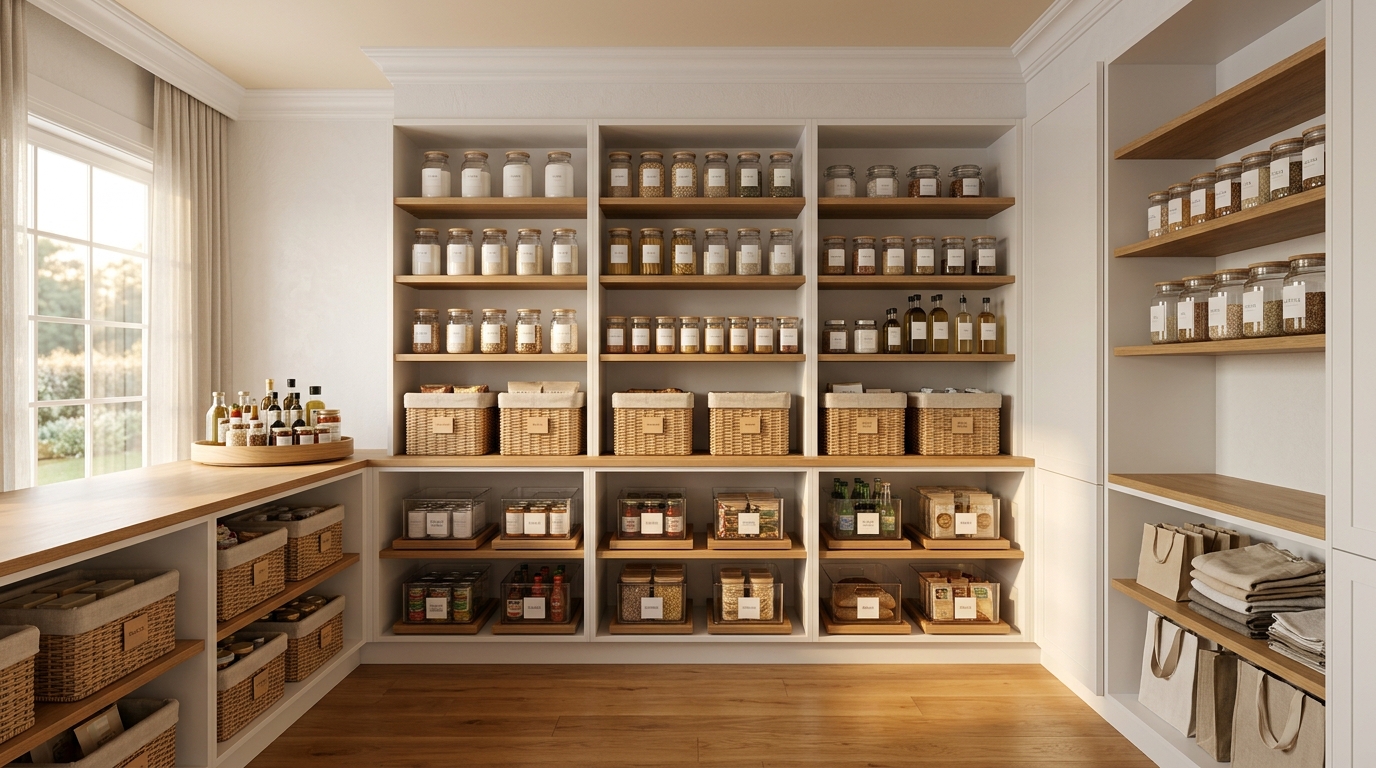
A recipe is only useful if it knows what is on the shelf. Pantry organization that holds.
"Do we have this" stops being a guess. When a recipe is linked to real inventory rather than a static ingredient list, checking whether you can cook something becomes an answer instead of a walk to the kitchen.
The recipe knows what it needs. The inventory knows what's on hand. The gap between them shows up on its own.
Missing ingredients go straight to the list. The useful version of this isn't just showing you what's missing. It's those items landing on an active shopping list without anyone transcribing them.
That's the difference between a system that informs you and one that removes a task.
Scaling becomes arithmetic the system does. Doubling for a crowd or halving for a quiet week shouldn't mean redoing the maths by hand. When serving size and ingredient amounts are connected, changing one updates the other, accurately, every time rather than whenever somebody remembers to check.
The parts people skip
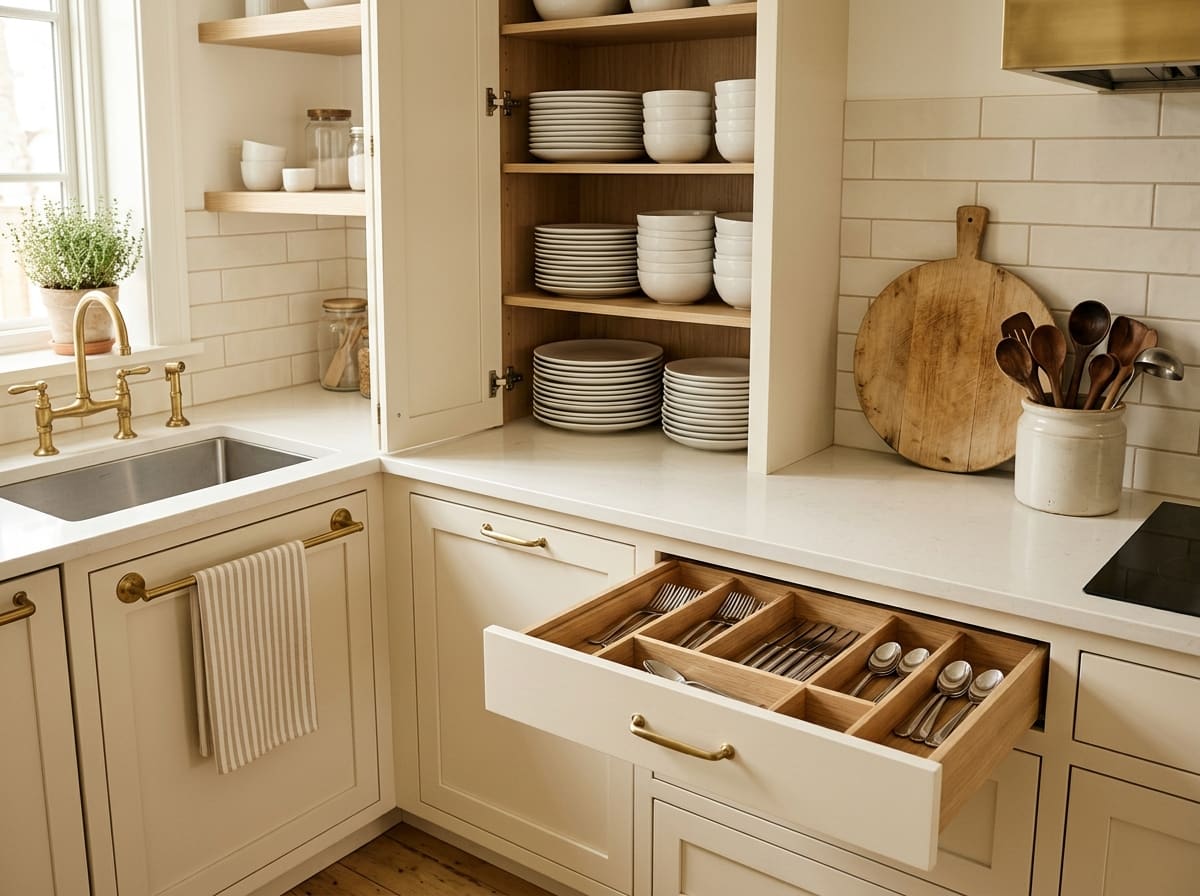
Family recipes deserve real structure. A recipe passed down informally is still a recipe. Written properly, with full steps, timing and the specific way your household makes it, it holds up far better than everyone trying to remember it the same way.
Household knowledge includes cooking knowledge.
Prep timing matters as much as the ingredients. A recipe isn't only what goes into it. It's when each step has to happen.
Meals with real lead time, thawing, marinating, dough that has to rise, fall apart when that timing lives in one person's head. A prep timeline that accounts for lead steps rather than cook time is what stops those meals becoming a scramble.
Plans have to flex without collapsing. Meal plans change. A guest cancels, the week shifts, dinner becomes takeout.
A plan you can move or swap without unwinding everything downstream is what makes planning ahead worth doing at all.
The short version

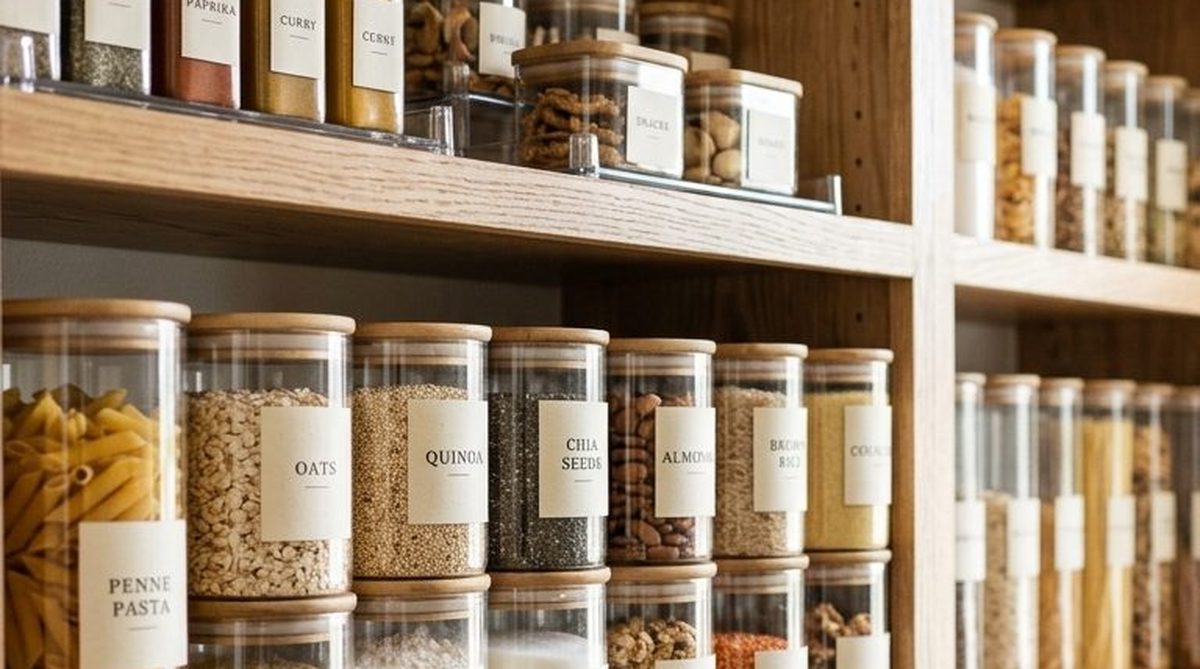
Labelled, dated, and visible without unpacking the drawer. Why a digital inventory pays for itself.
Recipes that don't talk to your pantry are a list of suggestions. Recipes connected to what you actually have are a working system, one that tells you what to buy, what to prep and when, instead of leaving you to work out all three separately every time.
Frequently Asked Questions
Why should recipes be connected to pantry inventory?
Because it turns "do we have everything" from a guess into an answer, and turns whatever is missing into a shopping list without anyone writing it out. Separately, a recipe box and a pantry each hold half the information you need.
How does recipe scaling work with inventory?
Changing the serving count updates ingredient quantities, and what you already have is subtracted from what the recipe needs. What's left is the actual shopping list, rather than the full ingredient list minus whatever you happen to remember owning.
Should family recipes be written down formally?
Yes, with full steps, timing and the specific way your household makes it. An informally remembered recipe drifts, and it can't be handed to anyone else. Writing it properly is how it survives being cooked by someone other than the person who knows it.
What happens to a meal plan when the week changes?
A usable plan lets a meal move to another day or be swapped out without unwinding everything after it. If changing one dinner means rebuilding the week, the plan stops getting used by about the third week.
Related Reading

Sort + Place is a professional organizing and household management practice serving families in Lakewood, New Jersey and the surrounding tristate area.
Want this running in your own house?
We build the systems, label the shelves and train the people who keep it all going.
Book Your Consultation