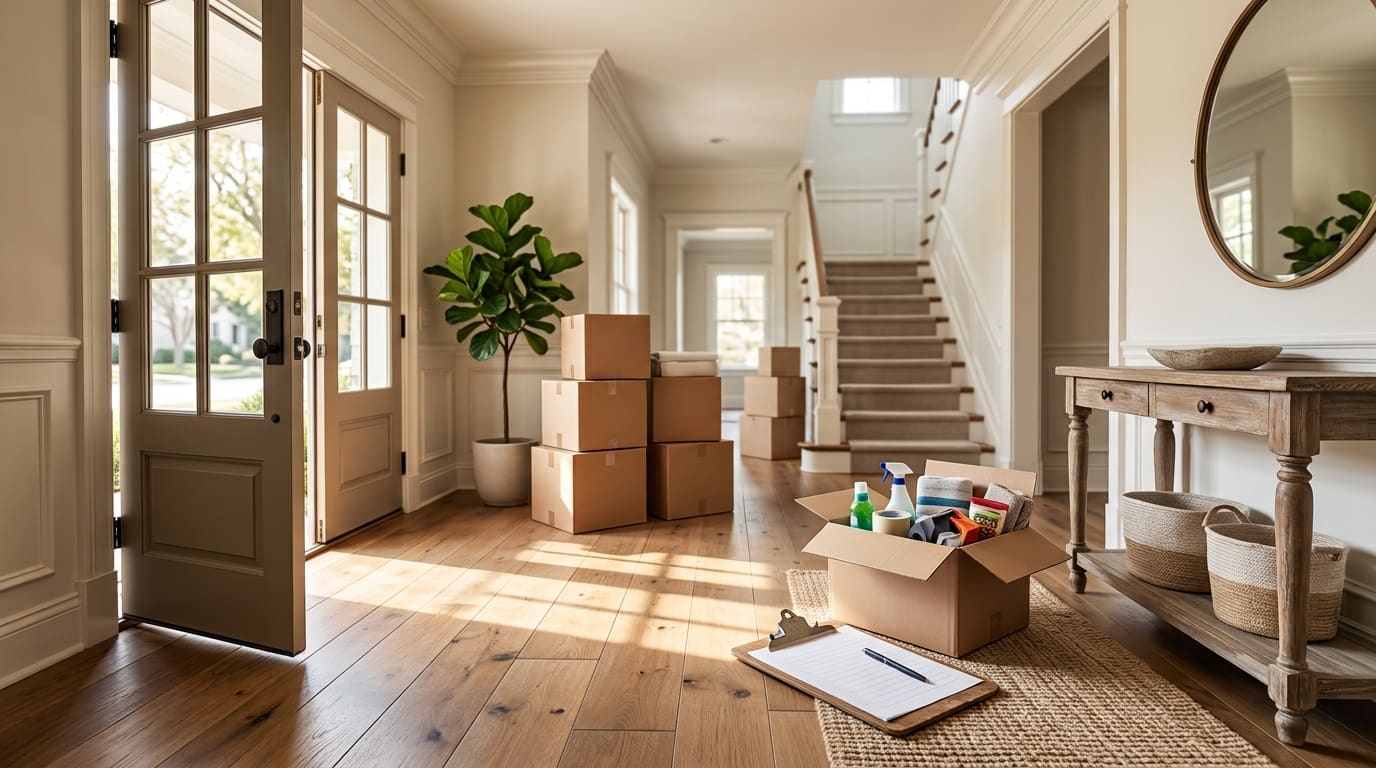
November 18, 2026
Moving Organization Checklist: The Complete Guide
Moving is the rare life event where the work isn't hard, it's just relentless, and it all has a deadline.
Nothing on the list is complicated on its own. Change the address. Book the truck. Transfer the utilities. Find the school records. Pack the kitchen. Any one of those is a fifteen-minute task. It's the eighty of them, stacked, arriving simultaneously, while you're also going to work and feeding people, that turns a move into the thing people describe as one of life's most stressful experiences.
A moving checklist fixes that by taking the tracking out of your head. Not by making the work smaller, but by putting each task on a specific week so you're never carrying the whole list at once, and never discovering on Thursday that something needed doing three weeks ago.
This is the complete version: an eight-week timeline, the day-of plan, and the first-week-after sequence that determines whether you settle in or live out of boxes until spring.
Planning a Move?
Download our complete Moving Organization Guide with timelines, checklists, and pro tips.
How to Use This Moving Checklist
Three principles before the list itself.
Work backward from moving day. Every task below is anchored to a week, not a date. Find your moving day, count back, and you have your calendar.

Keep one checklist for dates, decisions, and items to confirm.
Front-load ruthlessly. The final week should contain almost nothing but packing and logistics. Anything you push into it will collide with something else.
Assign owners. If you're moving with a partner, every line gets a name. Unowned tasks in a shared move are the ones that get discovered at 11 p.m. the night before.
If your move is closer than eight weeks, don't try to compress everything, instead, do the eight-week and six-week items first regardless of where you are in the timeline. Those two blocks contain the tasks with external lead times, and lead times don't care about your schedule.
8 Weeks Out: Research and Decisions
This block is all decisions and bookings. Almost no physical work, and it's the block people skip because it doesn't feel like moving yet.
- [ ] Set your moving date, and confirm it against lease end, closing date, school calendar, and work obligations
- [ ] Decide your move type, full service, hybrid, container, or DIY
- [ ] Get three written estimates. In-home or video surveys give real numbers; phone quotes don't
- [ ] Verify your mover. For interstate moves in the U.S., carriers must be registered with the FMCSA and you can check a company's registration and complaint history through its published tools. Confirm licensing and insurance before you pay a deposit
- [ ] Understand the valuation coverage you're being offered. Basic released-value protection is minimal, decide whether you want full-value protection or separate insurance
- [ ] Book the mover. Peak season, month-end, and summer weekends fill early
- [ ] Request time off for moving day and the day after. You will need the day after
- [ ] Start a moving binder or shared folder, estimates, contracts, receipts, inventory, contacts. One place, accessible to both adults
- [ ] Measure the new home. Room dimensions, doorway widths, stairwell turns, elevator access. This determines what's worth moving
- [ ] Begin decluttering in storage areas, garage, basement, attic. Highest volume, lowest emotional weight

Review the new rooms before deciding what furniture makes the trip.
On measuring
Do this before you decide about any large furniture. A sectional that doesn't clear the stairwell is a cost you pay twice: once to move it, once to get rid of it. Doorway width and the turn at the top of a staircase are the two measurements people forget.
6 Weeks Out: Purge and Notify
- [ ] Declutter closets and clothing, working through full seasonal wardrobes
- [ ] Book donation pickups for large items, lead times of two to four weeks are common
- [ ] List anything genuinely worth selling. Furniture, electronics, appliances, quality tools only
- [ ] Request school records and start enrollment paperwork if you're changing districts
- [ ] Collect medical and dental records, and get referrals if you're moving out of the area
- [ ] Update veterinary records and research vets near the new home
- [ ] Research utility providers at the new address, electric, gas, water, internet, trash
- [ ] Check building requirements at both ends: elevator reservations, certificates of insurance, permitted moving hours, loading zone permits
- [ ] Order packing supplies if you're packing yourself
The decluttering thread runs across the whole timeline, what to actually get rid of, room by room, is covered in decluttering before moving.

Sort each closet before you start packing it.
The building requirements trap
Apartment buildings and managed communities frequently require a certificate of insurance from your mover, an elevator reservation, and movement only within set hours. These are discovered late and they are hard blockers, a mover who arrives without a COI may simply not be allowed in the building. Ask both buildings, in writing, six weeks out.
4 Weeks Out: The Heavy Middle
- [ ] Declutter the kitchen and living areas
- [ ] Stop restocking the pantry beyond what you'll consume before the move
- [ ] Begin eating down the freezer deliberately
- [ ] Start packing non-essentials, off-season clothing, books, décor, guest linens, rarely used kitchen equipment
- [ ] Schedule utility transfers. Shut-off at the old home for the day after you leave; turn-on at the new home for the day before you arrive
- [ ] Schedule internet installation at the new address, this frequently has the longest lead time of anything on the list
- [ ] File your change of address with the postal service
- [ ] Make a notification list: bank, insurance, employer/HR, subscriptions, pharmacy, doctors, DMV, voter registration, credit cards, loyalty programs
- [ ] Arrange childcare and pet care for moving day. Non-negotiable. Moving day with young children underfoot is materially harder and less safe
- [ ] Service or arrange transport for vehicles if relevant
Overlap the utilities on purpose
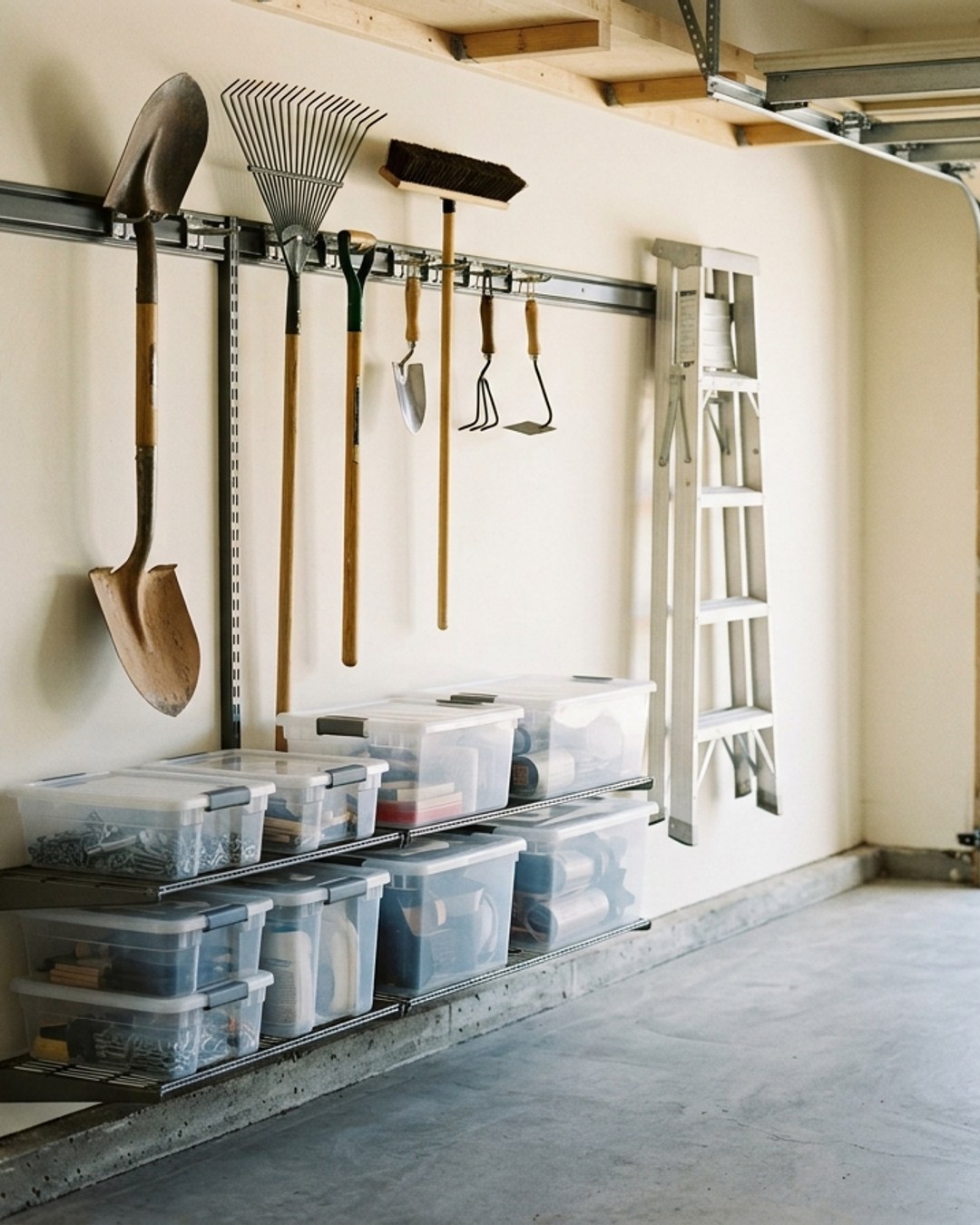
Set aside a clear staging area for items that are ready to go.
The single most common utility mistake is scheduling shut-off for moving day itself. Give yourself a one-day overlap on both ends. Paying one extra day of electricity is trivial; arriving at a dark, unheated house is not.
Need Hands-On Help?
Our moving and unpacking services take the stress out of your entire move.
Book Your Moving Consultation
2 Weeks Out: Packing in Earnest
- [ ] Pack room by room, finishing each before starting the next
- [ ] Label every box on the side, not the top, you'll be reading them stacked
- [ ] Label with destination room and contents, e.g. "KITCHEN, baking, mixer, sheet pans"
- [ ] Number boxes and keep a simple inventory list
- [ ] Photograph electronics setups before disconnecting anything
- [ ] Photograph the contents of each box before sealing, if you want a real record
- [ ] Confirm the mover, date, arrival window, crew size, address, contact number
- [ ] Refill prescriptions so you have a comfortable buffer
- [ ] Return anything borrowed, retrieve anything lent
- [ ] Empty and defrost the freezer in the final days
- [ ] Use up or properly dispose of cleaning chemicals, paint, and aerosols, movers won't transport hazardous materials
- [ ] Set aside valuables to transport yourself: documents, jewelry, medication, laptops, keys
Label so the boxes land correctly

Mark the destination room as soon as you close a box.
The purpose of labeling isn't finding things later, it's getting boxes into the right room on the day, without you standing at the door directing every single one. A crew that can read the label puts it where it belongs, and that saves you hours you'd otherwise spend moving boxes a second time.
Detailed technique is in our packing tips, but the two rules that matter most: heavy items in small boxes, and fill every void so nothing shifts.
Moving Week: Final Preparations
- [ ] Pack an essentials box for each person, see below
- [ ] Pack a "first night" kit for the whole household
- [ ] Confirm arrival times with the mover one more time
- [ ] Withdraw cash for tips if you're using a crew
- [ ] Clean as rooms empty rather than leaving it all for the end
- [ ] Disassemble furniture, bagging and taping hardware directly to each piece
- [ ] Prepare appliances, disconnect, drain, and secure per manufacturer instructions
- [ ] Do a final walk-through of every closet, cabinet, drawer, and the attic
- [ ] Note utility meter readings at the old home
- [ ] Leave keys, garage remotes, and manuals for the new occupants
The essentials box
Keep fragile boxes and first-use supplies easy to identify.
One per person, transported in your own vehicle, never on the truck:
- Two days of clothing
- Toiletries and any medication
- Phone and laptop chargers
- Important documents
- A comfort item for each child
- Basic tools, a box cutter, and a flashlight
- Toilet paper, paper towels, soap, trash bags
- Snacks and bottled water
- Bedding for the first night
The single best predictor of a tolerable first night is whether the beds can be made without opening a truck.
Moving Day
- [ ] Be present at the start to walk the crew through the home
- [ ] Point out fragile and high-priority items explicitly
- [ ] Confirm the inventory the movers create, and read it before signing
- [ ] Keep valuables and documents with you at all times
- [ ] Do a final empty-house check, every room, every closet, behind every door
- [ ] Take photos of the empty home for your deposit or closing records
- [ ] Note final meter readings
- [ ] Arrive at the new home ahead of the truck if at all possible
- [ ] Direct boxes to rooms as they come in, this is where labeling pays off
- [ ] Check items against the inventory as they're unloaded
- [ ] Note any damage on the paperwork before signing. Once you've signed a clean delivery receipt, a claim becomes much harder
- [ ] Set up beds first, before anything else
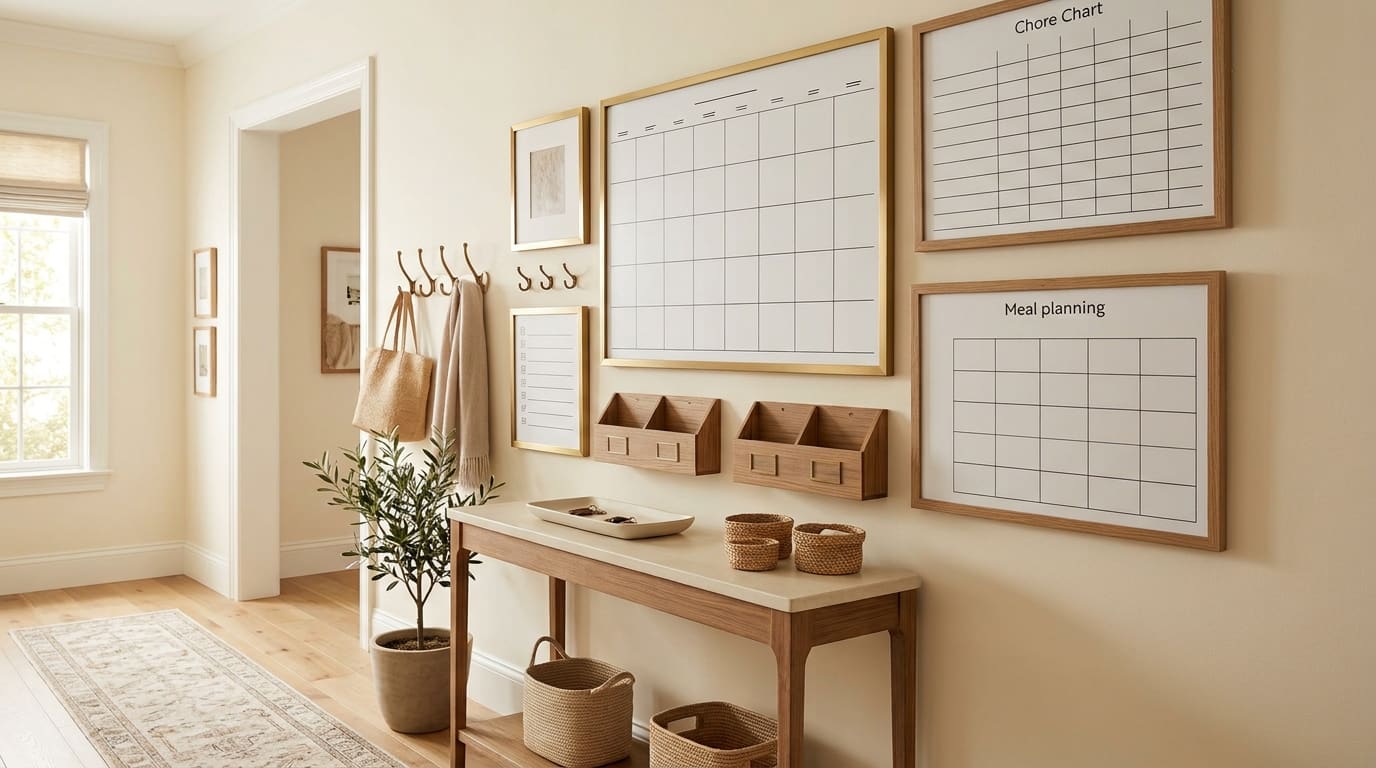
Decide where boxes will land before they come through the door.
Eat and drink
It sounds trivial and it isn't. Moving days routinely run twelve hours, and the decisions made in hour ten are the ones people regret. Order food. Keep water where everyone can reach it.
The First Week After
The move isn't over when the truck leaves. This week determines whether you settle in or live among boxes for months.
Day 1: - [ ] Beds assembled and made - [ ] Bathrooms functional, shower curtain, towels, toiletries - [ ] One clear surface in the kitchen - [ ] Locate and test the breaker box, water shut-off, and thermostat
Days 2-3: - [ ] Unpack the kitchen, it's the room whose function unlocks everything else - [ ] Unpack daily clothing - [ ] Set up internet and essential electronics - [ ] Break down and remove empty boxes as you go, so the space clears visibly
Days 4-7: - [ ] Unpack children's rooms next, so they have their own space fastest - [ ] Set up a working laundry area - [ ] Establish where things live before filling them, an assigned home for each category, decided deliberately rather than by wherever the box landed - [ ] Change locks and test smoke and carbon monoxide detectors - [ ] Locate your nearest pharmacy, grocery, and urgent care
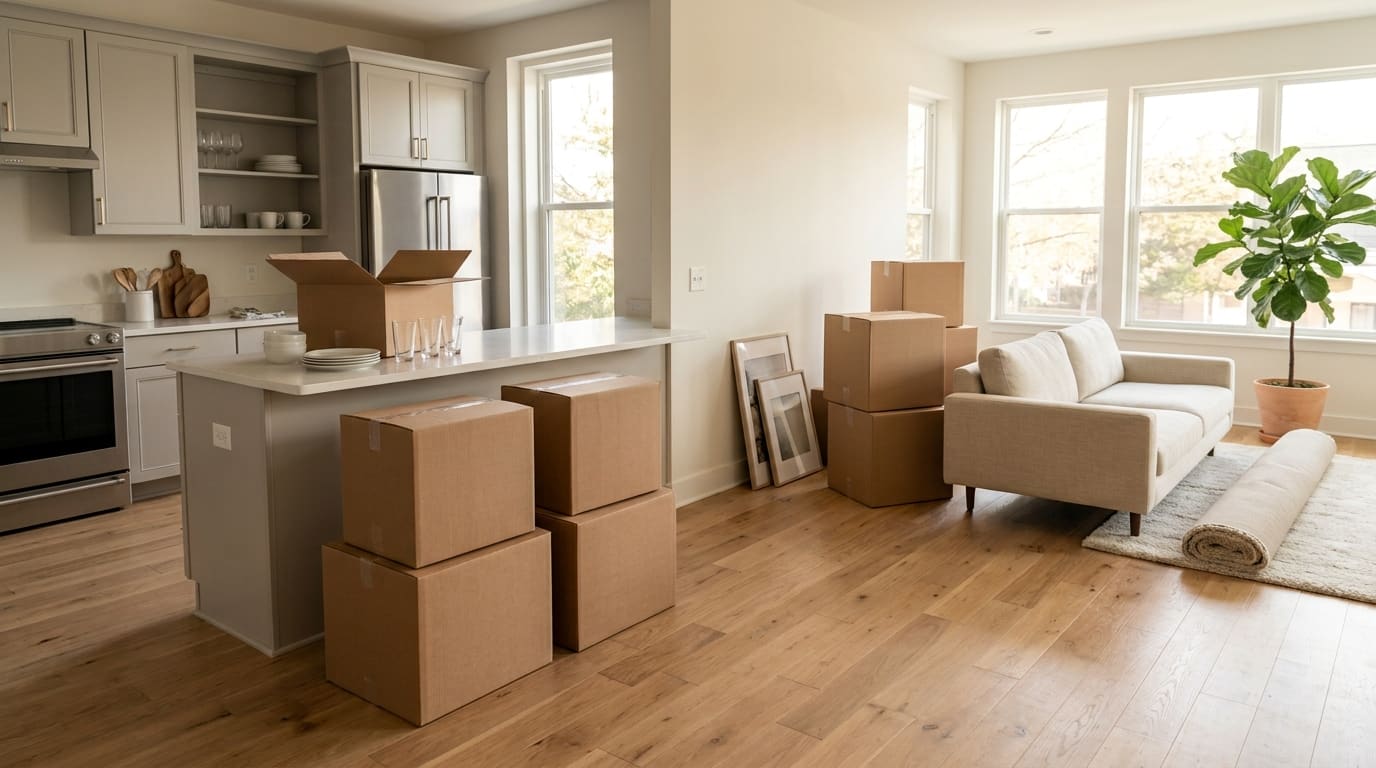
Unpack everyday kitchen and household supplies first.
Set up systems, not just storage
This is the part that separates a house you've moved into from a home that works. You're placing every object you own, from scratch, with no accumulated bad habits, an opportunity you get maybe twice a decade.
Decide zones before you fill cabinets. Assign homes by frequency of use, not by which box you opened first. Label as you go. Our guide to unpacking after moving covers the sequence in depth.
And the rule that matters most: don't unpack anything you weren't sure about. If a box arrives full of things you hesitated over, that's your answer. Donate it sealed.
Common Moving Mistakes
1. Starting too late. The eight-week block contains everything with an external lead time. Fix: book movers, request records, and schedule internet as early as possible.
2. Moving things you don't want. You pay to pack it, transport it, and unpack it. Fix: finish decluttering before packing begins.
3. Vague labels. "Kitchen stuff" tells a crew nothing and tells future-you less. Fix: room plus contents, on the side of the box.
4. No essentials box. Searching thirty boxes for a toothbrush at midnight. Fix: one per person, in your own car.
5. Utilities scheduled for moving day. Fix: one-day overlap at both ends.
6. Signing the delivery receipt without inspecting. Fix: note damage before signing, every time.
7. No childcare or pet care. Fix: arrange it four weeks out.
8. Unpacking without a plan. Things land where the box was opened and stay there for years. Fix: decide zones before filling them.
Frequently Asked Questions
What should be on a moving checklist?
A complete moving checklist covers five blocks: research and booking at eight weeks, decluttering and notifications at six weeks, packing non-essentials and utility scheduling at four weeks, intensive packing at two weeks, and moving day plus the first week after. Anchor each task to a week rather than a date, and assign an owner to every line if you're moving with a partner.
How far in advance should I start planning a move?
Eight weeks is the practical minimum for a full household, because booking movers, requesting school and medical records, and scheduling internet installation all have external lead times you can't compress. If you have less time, do the eight-week and six-week tasks first regardless of where you are in the calendar.
What should I pack first when moving?
Pack storage areas and off-season items first, garage, basement, holiday décor, off-season clothing, books, and guest linens. These are things you won't need before moving day, so they can be boxed weeks in advance without disrupting daily life. Save daily-use kitchen items, current clothing, and toiletries for the final week.
What should I not pack on the moving truck?
Keep valuables, important documents, jewelry, medication, laptops, and keys with you in your own vehicle. Movers also won't transport hazardous materials such as paint, solvents, propane, and aerosols, so those need to be used up or disposed of properly before moving day.
How do I organize boxes so unpacking is easier?
Label every box on the side rather than the top with both the destination room and its contents, number the boxes, and keep a simple inventory list. Pack room by room and finish each one before starting the next. Detailed labels let the moving crew place boxes correctly, which saves you from moving them a second time.
What should I do first after moving in?
Assemble and make the beds, get one bathroom fully functional, and clear one kitchen surface, in that order. Then locate the breaker box, water shut-off, and thermostat. Unpacking the kitchen over the following two days unlocks normal daily function faster than any other room.
How long does it take to unpack after a move?
Essentials take three to seven days for most households, with full unpacking typically running two to four weeks. The households that finish fastest are the ones that decluttered before the move and decided where categories would live before filling cabinets, rather than unpacking box by box and placing things wherever there was room.
---
Ready for a Home That Works For You?
A checklist gets you moved. What determines how the next two years feel is what happens in the first week after, whether things land in considered homes or wherever the box happened to be opened.
That's the part we're usually called in for. We declutter before the boxes, pack with the unpacking in mind, and set the new home up as a working system rather than a room full of resolved boxes.
- ✓ Professional Organizing, before you leave, after you arrive, or both
- ✓ Moving & Unpacking, full-service, set up correctly the first time
- ✓ Household Management, routines and systems established from day one
- ✓ Ongoing Support, so the new home stays the way it started
Related Reading



What clients say
“Sort + Place made our move feel calm, they sorted, packed, and placed everything so we could walk in and truly feel at home. Best part: no stress at all!”
Sort + Place is a professional organizing and household management practice serving families in Lakewood, New Jersey and the surrounding tristate area.
Want this running in your own house?
We build the systems, label the shelves and train the people who keep it all going.
Book Your Consultation