November 24, 2026
Packing Tips For Moving Like A Professional Organizer
Most people pack the way you'd expect: grab a box, fill it with whatever's nearby, write "misc" on top, tape it, repeat. It works, in the sense that everything eventually arrives.
It's also why unpacking takes three weeks, why the good serving bowl arrives in pieces, and why on night two you're cutting open your ninth box looking for the coffee filters.
The packing tips for moving that professionals actually use aren't clever hacks. They're a handful of unglamorous rules applied consistently: pack by room, never mix categories, heavy things in small boxes, fill every void, and label so the box can be read while it's stacked. That's most of it. The difference isn't skill, it's that we do the same five things on box one and box two hundred.
This guide covers supplies, technique by room, the fragile items that actually break, labeling that makes unpacking fast, and the mistakes that cost people money on every move.
Want Our Complete Packing Guide?
Download step-by-step packing instructions with supply lists and timelines.
Get the Supplies Right First
Underbuying supplies is the most common way a packing schedule falls apart. You stop mid-room to go to the store, lose ninety minutes, and don't come back to it that day.
What to buy, and roughly how much
For an average three-bedroom home:
- Small boxes (1.5 cu ft), 25 to 30. Books, canned goods, tools, anything dense.
- Medium boxes (3 cu ft), 30 to 40. The workhorse. Most kitchen items, small appliances, toys, décor.
- Large boxes (4.5 cu ft), 15 to 20. Bedding, pillows, lampshades, light bulky items only.
- Dish barrels or heavy-duty boxes, 4 to 6. Dishes, glassware, and anything genuinely fragile.
- Wardrobe boxes, 3 to 5. Hanging clothes, and worth every dollar.
- Packing paper, 10 to 15 lbs. Not newspaper; the ink transfers onto everything.
- Bubble wrap, 2 large rolls.
- Packing tape, 8 to 10 rolls, plus a proper tape gun. Hand-tearing tape for two hundred boxes is its own punishment.
- Markers, a handful of thick black ones. They vanish.
- Stretch wrap for drawers, furniture, and anything that opens.
- Resealable bags for hardware.
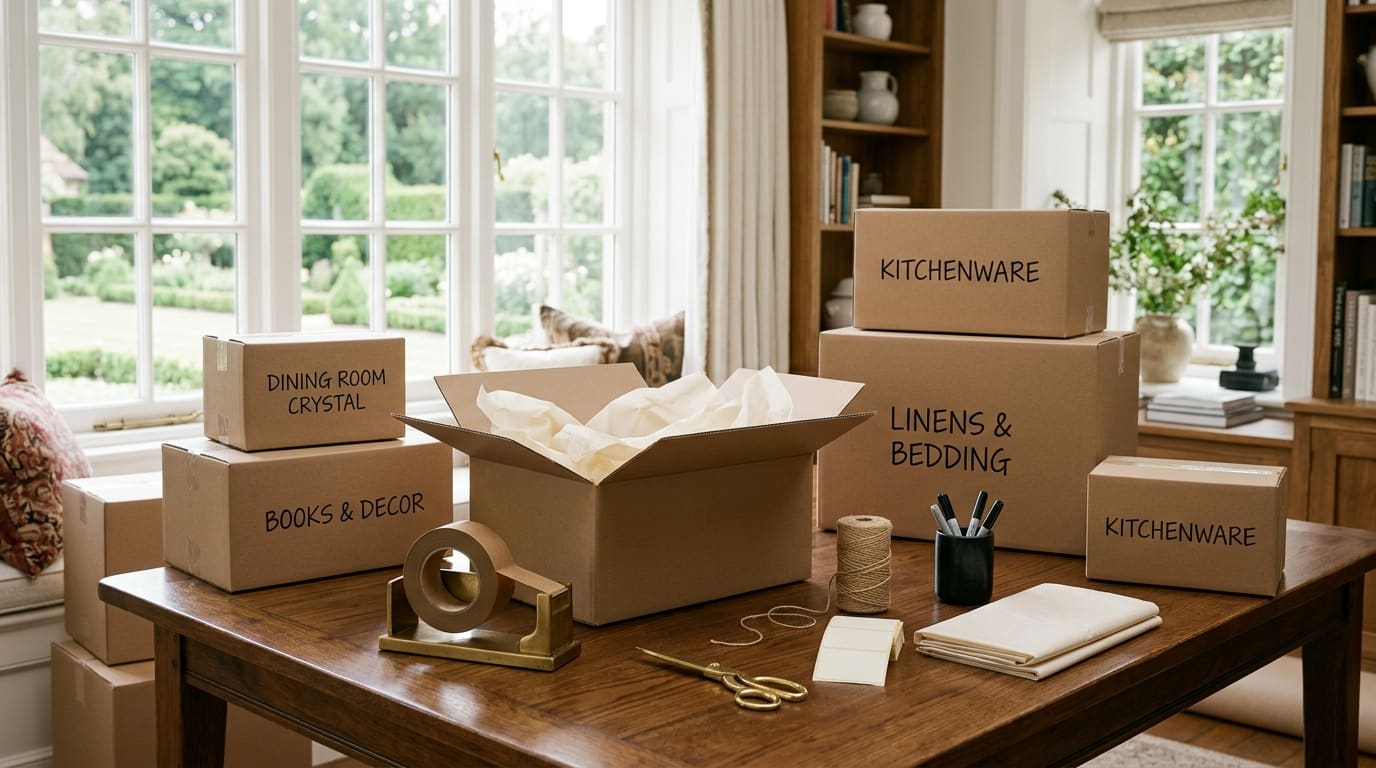
Put wrapping supplies and the right box sizes within reach before starting.
Buy 20% more boxes than you calculate. Returning unused ones is easy at most suppliers; running out at 9 p.m. on a Sunday isn't.
Where to source them
New boxes are stronger, uniform, and stack safely, which matters when they're going eight feet high in a truck. Used boxes are free and fine for light non-fragile items, but check for moisture damage and previous crushing.
Don't use grocery-store produce boxes for anything you care about. They're often damp, they've frequently held food, and they don't have lids.
The Five Rules That Do Most of the Work
Everything else in this article is detail. These five are the substance.
1. Pack by room, finish before you move on
Never mix rooms in a box. It sounds obvious and it's violated constantly at the end of a long day, when there's half a box left and a few stray items nearby.
A mixed box has no destination. It gets set down in the hallway and opened four times.
2. Heavy items in small boxes, light items in large
The mistake everyone makes: a large box of books. It becomes unliftable, it fails at the bottom, and it hurts someone.
Test: if you can't comfortably lift it, it's too heavy. Aim to keep boxes under about 50 pounds regardless of size, which is a reasonable ceiling for repeated lifting.
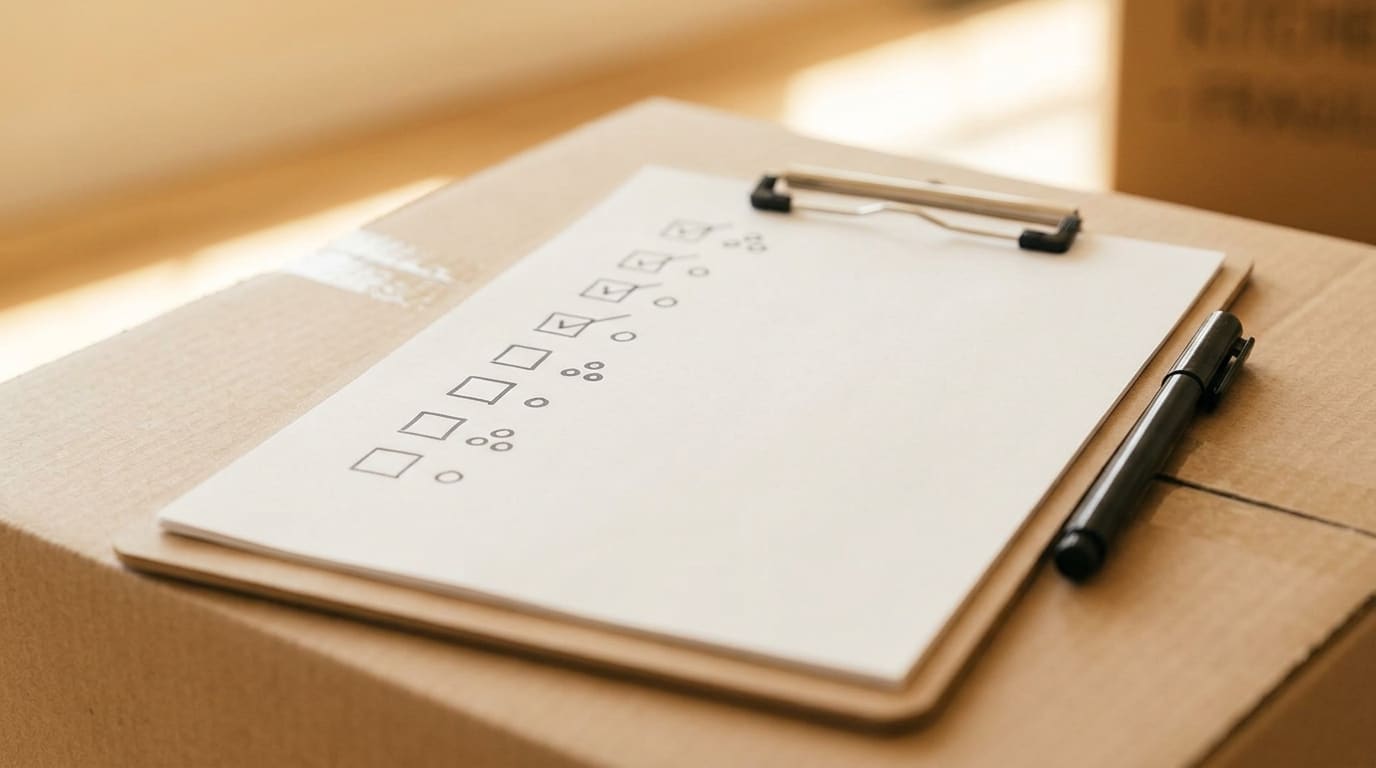
Use the same labeling order on every box.
3. Fill every void
Empty space is what breaks things. Items shift, collide, and the box collapses under whatever's stacked on it.
Fill gaps with packing paper, towels, or linens. A properly packed box shouldn't rattle when you shake it gently. That single test catches most packing failures.
4. Heavy on the bottom, fragile on top
Within each box, weight goes low. This keeps the center of gravity right and stops the heavy thing from crushing everything under it in transit.
5. Label the side, not the top
Boxes get stacked. A label on top disappears under the next box.
Label at least two sides with the destination room and the contents.
Room-by-Room Packing Technique
Kitchen, pack this last, and give it the most care
The kitchen takes longer than any other room and produces the most breakage. Budget a full day.
Dishes: - Pack plates on edge, vertically, like records in a crate. This is the single most useful dish-packing tip in existence, plates stacked flat crack under vertical pressure, plates on edge don't. - Wrap each plate individually in paper. - Bottom cushion of crumpled paper, minimum two inches. - Heaviest plates at the bottom.
Glassware: - Wrap individually and stuff the inside of each glass with paper. - Stems get extra wrapping. - Use cell dividers if you can get them. - Glasses stand upright, never on their sides.
Pots and pans: - Nest them with paper between each. - Lids wrapped separately and packed on edge.
Small appliances: - Original boxes if you kept them; otherwise wrap and fill the cavity. - Tape cords to the appliance body.
Knives: - Blade wrapped in cardboard and taped, then paper. Label clearly. Do not let a mover reach into an unmarked box of knives.
Pantry: - Sealed dry goods travel fine. Open packages get bagged first. - Liquids get a layer of plastic wrap under the lid, then bagged, and packed upright.
Bedrooms
Hanging clothes go into wardrobe boxes on their hangers. No folding, no unpacking, they transfer straight into the new closet. This is the best return on money in the entire supply list.
Folded clothes can stay in dresser drawers if the dresser is being moved by professionals. Stretch-wrap the drawers shut. For a DIY move, empty them, a loaded dresser is dangerously heavy.
Bedding and pillows fill large boxes and also double as padding elsewhere.
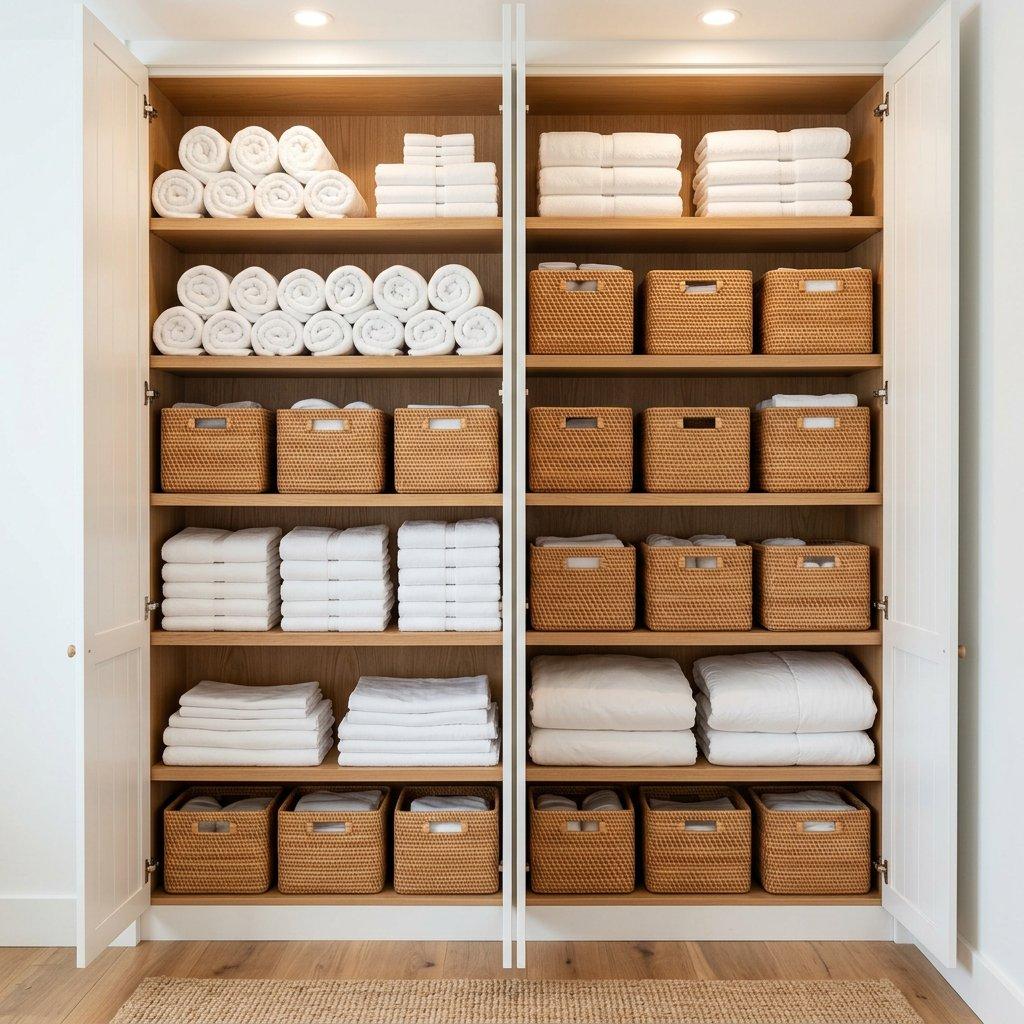
Pack shelves in sections so related things stay together.
Jewelry and valuables travel with you, never on the truck.
Living areas
Books in small boxes, laid flat, spines alternating.
Electronics: photograph the back of every setup before disconnecting. Bag cables and label them per device. Original boxes are ideal; otherwise wrap thoroughly and fill all voids.
Televisions need a specialty box or a blanket-wrapped, upright transport. Never lay a flat screen flat.
Lamps: shades boxed separately, never packed with anything else touching them. Bases wrapped individually.
Artwork and mirrors: corner protectors, wrapped, and packed on edge, vertically. Tape an X across glass, it won't stop a break, but it holds the pieces together and prevents the glass from slicing the artwork behind it.
Bathrooms
Almost nothing here needs to move. What does:
- Liquids get plastic wrap under the lid, then a sealed bag, then packed upright in a lined box.
- Medications travel with you.
- Assume something will leak and pack accordingly.
Garage and tools
- Small boxes only. Tools are dense.
- Sharp edges wrapped.
- Drain fuel from all power equipment, movers won't take it otherwise.
- Hardware in labeled bags, taped to the item it belongs to.
- Paint, solvents, propane, and aerosols don't travel. Dispose of them properly ahead of time.
Short on Time?
Our professional packing services save you time and prevent damage.
Book Your Moving & Unpacking Service
Labeling: The Part That Determines Your Unpacking Week
Here's the reframe that changes how people label: you're not labeling for yourself. You're labeling for a mover who has never been in your home, and for a version of yourself who is exhausted.
What goes on every box
1. Destination room in large letters, the room in the new house 2. Contents summary, "baking supplies, mixer, sheet pans" not "kitchen stuff" 3. A box number 4. FRAGILE, on all sides, where it applies 5. OPEN FIRST, on the boxes that earn it
Color-code by room
Colored tape or dots, one color per room, applied to every box and to a matching sign taped to each doorway in the new house.
This is what lets a moving crew place boxes correctly without asking. On a twelve-hour day, that's the difference between directing traffic at the door for four hours and actually getting things done.
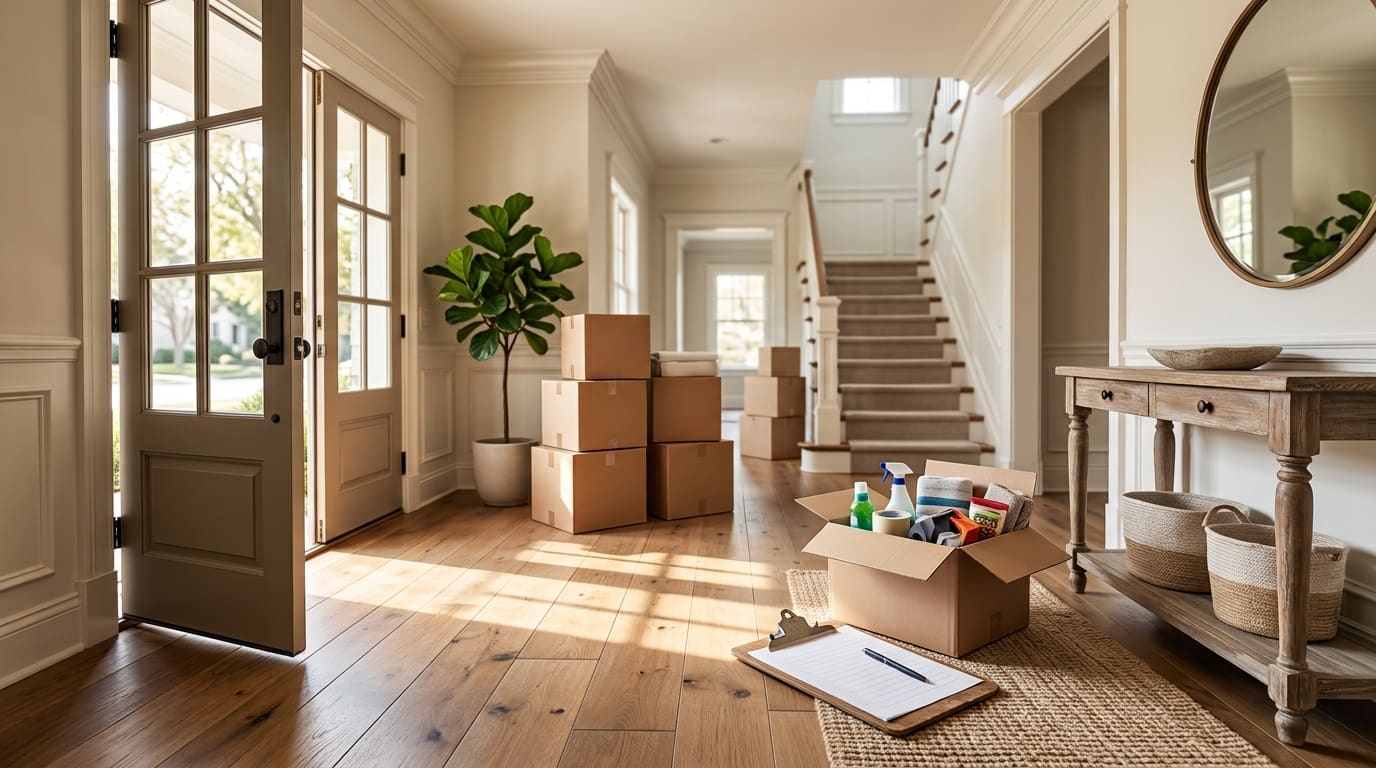
Write the destination room clearly so boxes can go straight there.
Keep a numbered inventory
A simple list, box 1: kitchen, baking; box 2: kitchen, everyday dishes. Phone notes are fine.
When you can't find something in week two, you check a list instead of opening fourteen boxes. And if something goes missing, you have documentation for a claim.
Mark the "open first" boxes
One per room, containing what makes that room functional on day one:
- Kitchen: kettle or coffee setup, a few plates and cups, one pot, one pan, a knife, dish soap, a towel
- Bathroom: shower curtain and rings, towels, toiletries, toilet paper
- Bedrooms: sheets, pillows, one set of clothes per person
Beds and bathrooms first is the rule that makes night one survivable. The full sequence is in unpacking after moving.
Fragile Items: What Actually Breaks
After enough moves, the breakage patterns are predictable. It's rarely the thing people worried about.
What actually breaks: - Plates packed flat instead of on edge - Anything in a box with empty space in it - Glassware packed on its side - Lampshades packed with other items - Framed glass laid flat and then stacked on - Items in boxes that were over 50 pounds and got dropped
What rarely breaks: - Anything individually wrapped in a properly filled box - Items in their original packaging - Soft goods, obviously
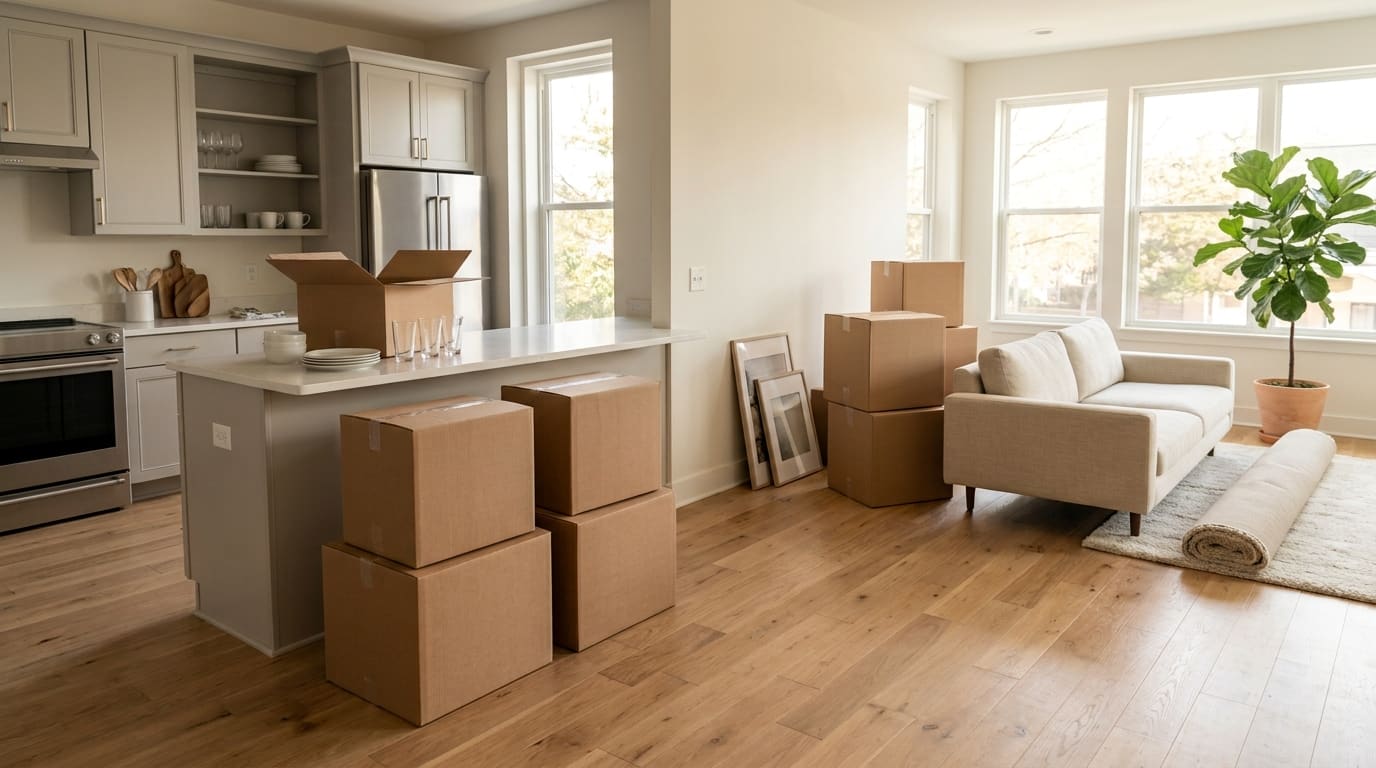
Keep dishes and other fragile items together until they can be unpacked safely.
The pattern: breakage comes from voids and from orientation, not from insufficient bubble wrap. Two inches of crumpled paper filling a gap protects better than three layers of bubble wrap around an item that can still move.
Genuinely irreplaceable things
Take them yourself. Documents, jewelry, heirlooms, hard drives, medication, anything with sentimental value you couldn't replace.
No insurance policy replaces the thing that mattered. Standard mover liability without additional coverage is calculated per pound, which is close to meaningless for anything small and valuable.
Common Packing Mistakes
1. Boxes too heavy. Large boxes filled with books or canned goods. Fix: dense items in small boxes, 50-pound ceiling.
2. Leaving voids. The primary cause of breakage. Fix: shake test every box before taping.
3. Vague labels. "Misc" is a box you'll open four times. Fix: room plus contents, on two sides.
4. Mixing rooms. A box with no destination. Fix: finish one room before starting the next.
5. Packing without decluttering first. You're wrapping things you don't want. Fix: purge finished before boxes come out.
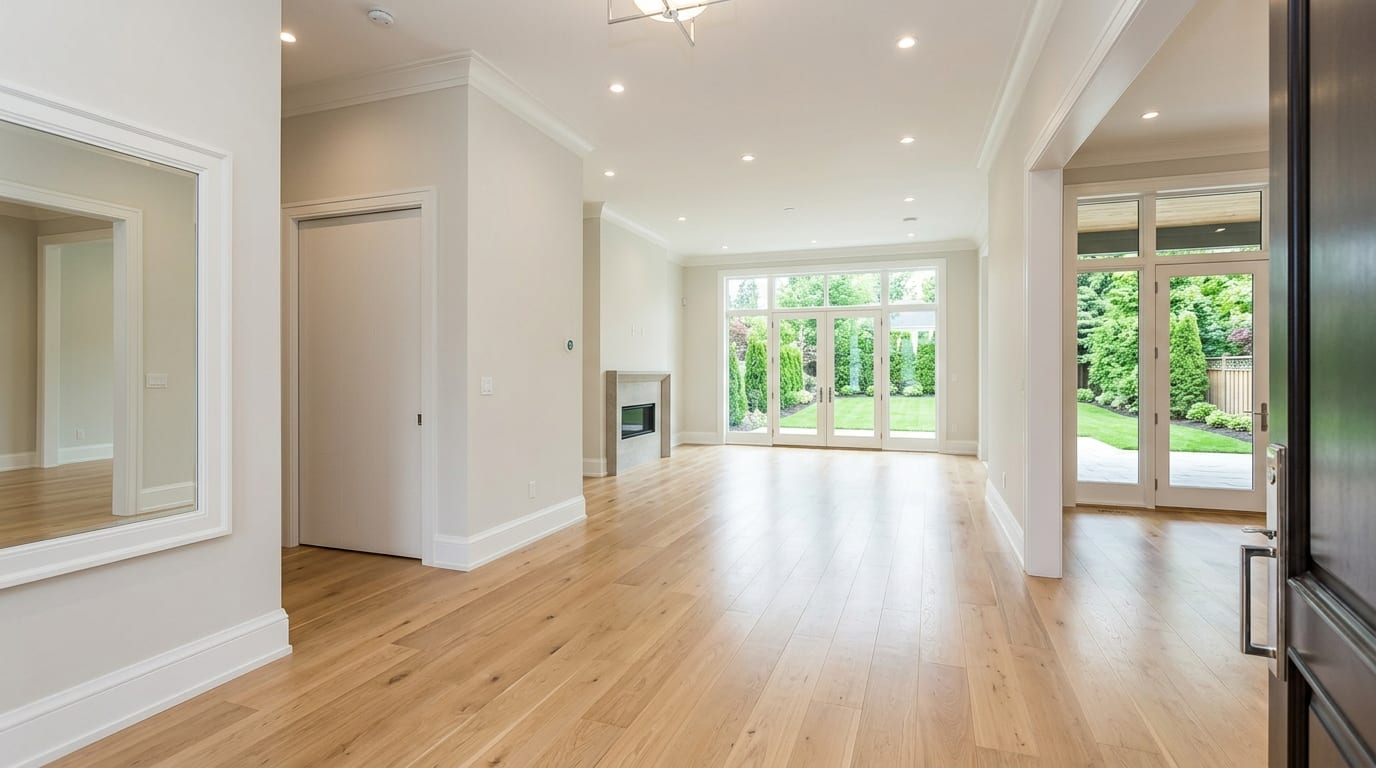
Check that what you’re packing has a place in the new home.
6. Under-taping. One strip across the seam. Fix: three strips on the bottom, reinforced across the seam and edges.
7. Packing the kitchen first. You need it until the last day. Fix: kitchen last, storage areas first.
8. No essentials box. Fix: one per person, in your own vehicle.
9. Newspaper on dishes. Ink transfers and everything needs washing on arrival. Fix: unprinted packing paper.
10. Not photographing electronics. Fix: photo of every cable configuration before you touch it.
A Realistic Packing Timeline
- 4 weeks out: storage areas, off-season clothing, books, décor, guest linens
- 3 weeks out: spare rooms, extra bathrooms, the good dishes you don't use weekly
- 2 weeks out: most of the living areas, remaining clothing, kids' rooms except favorites
- 1 week out: everyday clothing, remaining electronics, most of the kitchen
- 2-3 days out: the rest of the kitchen, bathrooms
- Day before: essentials boxes, final items, strip beds
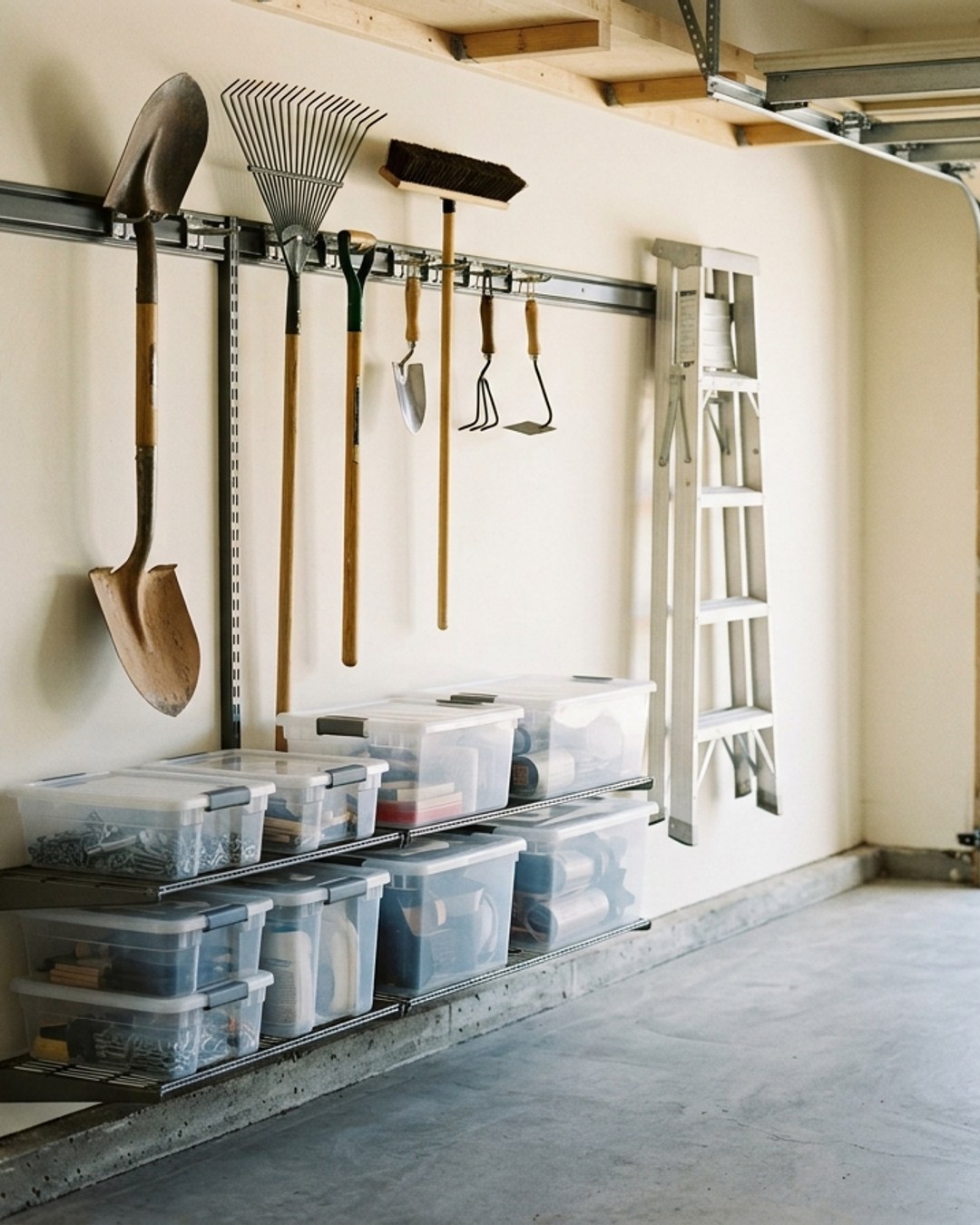
Use a clear staging spot for the boxes you’ve already finished.
Pack a little every day rather than everything in a weekend. Two focused hours daily across three weeks is roughly forty hours of work, done well. The same forty hours crammed into a final weekend is done badly, and it's when things break.
How this fits alongside utilities, notifications, and everything else is laid out in the full moving checklist.
Frequently Asked Questions
What are the best packing tips for moving?
Pack one room at a time and finish it before starting the next, put heavy items in small boxes and light items in large ones, fill every void so nothing shifts, place heavy items at the bottom of each box, and label the sides rather than the top with both the destination room and the contents. These five rules prevent most breakage and most of the time lost during unpacking.
How do I pack dishes so they don't break?
Wrap each plate individually in unprinted packing paper and pack them on edge, standing vertically like records, rather than stacked flat. Cushion the bottom of the box with at least two inches of crumpled paper, keep the heaviest plates lowest, and fill every gap so nothing can shift. Plates packed flat crack under the vertical pressure of stacked boxes.
How many boxes do I need to move?
An average three-bedroom home needs roughly 70 to 90 boxes: 25-30 small, 30-40 medium, 15-20 large, plus dish barrels and wardrobe boxes. Buy about 20% more than you calculate, since running out mid-room costs more time than returning extras.
What should I not pack when moving?
Don't pack hazardous materials, paint, solvents, propane, aerosols, and fuel, as movers won't transport them. Keep valuables, important documents, jewelry, medication, laptops, and keys with you in your own vehicle rather than on the truck, since standard mover liability is calculated by weight and doesn't meaningfully cover small valuable items.
How far in advance should I start packing?
Start about four weeks out with storage areas and off-season items, working toward daily-use spaces, and finish the kitchen in the final two to three days. Packing two focused hours a day across three weeks produces better results than the same total hours compressed into one weekend, when fatigue causes most breakage.
Should I hire professional packers?
Consider it if you're short on time, moving a large household, have significant fragile or high-value items, or are managing a move alongside a demanding job or young children. Professional packing also matters for insurance, some carriers limit claims on items the owner packed themselves, so check your coverage terms before deciding.
How do I label boxes for an easy move?
Write the destination room and a specific contents summary on at least two sides of every box, add a box number, and keep a simple numbered inventory list. Color-code by room with tape or dots and post matching colored signs on doorways in the new home, so the moving crew can place boxes correctly without direction.
---
Ready for a Home That Works For You?
Packing well is really about unpacking well. Every choice you make with a marker and a roll of tape is a decision about how hard week one is going to be on the other end.
We pack with that in mind, boxes labeled for a crew that's never met you, fragile items packed the way they actually survive, and an "open first" set for every room so the first night doesn't involve a box cutter and a flashlight.
- ✓ Professional Organizing, declutter before the boxes come out
- ✓ Moving & Unpacking, packed properly, placed correctly, unpacked into real systems
- ✓ Household Management, routines established from day one in the new home
- ✓ Ongoing Support, so it stays the way it started
Related Reading
Sort + Place is a professional organizing and household management practice serving families in Lakewood, New Jersey and the surrounding tristate area.
Want this running in your own house?
We build the systems, label the shelves and train the people who keep it all going.
Book Your Consultation