
June 23, 2026
What Access Should Your Household Staff Actually Have?
Every household that employs staff eventually has to answer a question that has nothing to do with trust and everything to do with good design. Who should be able to see what, and who should be able to change what?
Get it wrong one way and staff are constantly blocked from doing their jobs. Get it wrong the other way and one accidental edit throws off inventory, a schedule or a shopping list for everyone.
Think in roles, not permissions

Deciding what staff can see and change, before it becomes a problem. How training and access work together.
Role-based, not all or nothing. The households that handle this well don't think in terms of admin and everyone else. They think in roles. Homeowner, manager, staff, each shaped around what that person actually does day to day.
A housekeeper doesn't need the same visibility as whoever runs the household's finances. Neither of them should be locked out of the tools they use daily.
Autonomy is the goal, not the risk. Done well, permissions aren't a leash. They're what lets staff work independently in the first place.
Someone with the right access manages their routines, updates inventory and works through their list without needing anyone to unlock each step. The alternative, staff needing a manager for almost everything, doesn't protect the household. It just makes everyone slower.
Decide who can create new records. Not every role should be able to add new items outright. Some households want staff logging something the moment they notice it's missing. Others want new records routed through a manager.
Neither is wrong. But it should be a decision, not a default nobody actually made.
Keep the top of the tree small
Admin access stays narrow on purpose. Full administrative access, the ability to restructure how the system is organised rather than just use it, should sit with the smallest group that can reasonably hold it.
That isn't hierarchy for its own sake. It limits how many places a structural mistake can come from.
Two things people forget

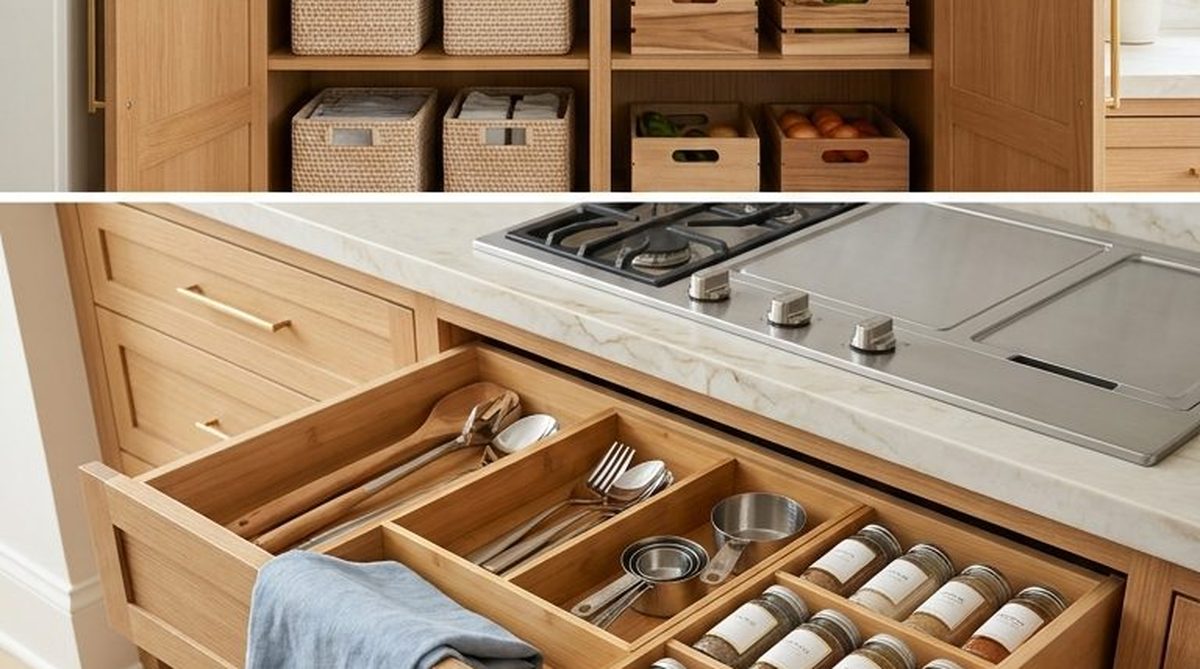
The lower shelf is the working area. What sits above it is family only.
Review access like anything else that matters. Permissions aren't set once. Periodically checking who has access to what, and whether it still matches their role, catches drift before it becomes a problem.
Offboarding is part of the system. The moment someone leaves, their access should be the first thing handled, not the last. A former employee's login sitting active for weeks is one of the most common and most avoidable gaps in household security.
The point
Good permission design doesn't slow a household down. It's what lets you hand real responsibility to staff with actual confidence, instead of either over-restricting everyone or hoping nothing goes wrong.
Frequently Asked Questions

Access set so people can do their work without seeing everything.
How much access should household staff have?
Exactly what their role requires, defined by role rather than by person. A housekeeper, a manager and a homeowner need genuinely different views. Shaping access around the job removes both the constant blocking and the accidental edits.
Is limiting staff access a sign of distrust?
No, and framing it that way causes the problem. Clear limits mean nobody has to worry about touching something outside their lane, and an honest mistake can't reach something important. Well-designed access is what allows staff to work independently rather than checking with someone at every step.
Should staff be able to add new inventory items?
That's a real decision, not a default. Some households want staff logging something the moment they notice it's missing. Others want new records reviewed first. Either works. What causes trouble is nobody having decided.
What should happen to staff access when someone leaves?
Remove it the same day, before anything else. A former employee's active login is among the most common and most avoidable security gaps in a household, and it tends to be discovered only when someone goes looking for something else.
Related Reading


Sort + Place is a professional organizing and household management practice serving families in Lakewood, New Jersey and the surrounding tristate area.
Want this running in your own house?
We build the systems, label the shelves and train the people who keep it all going.
Book Your Consultation